
Starch Processing Enzymes Manufacturer in New Zealand


Our Solutions
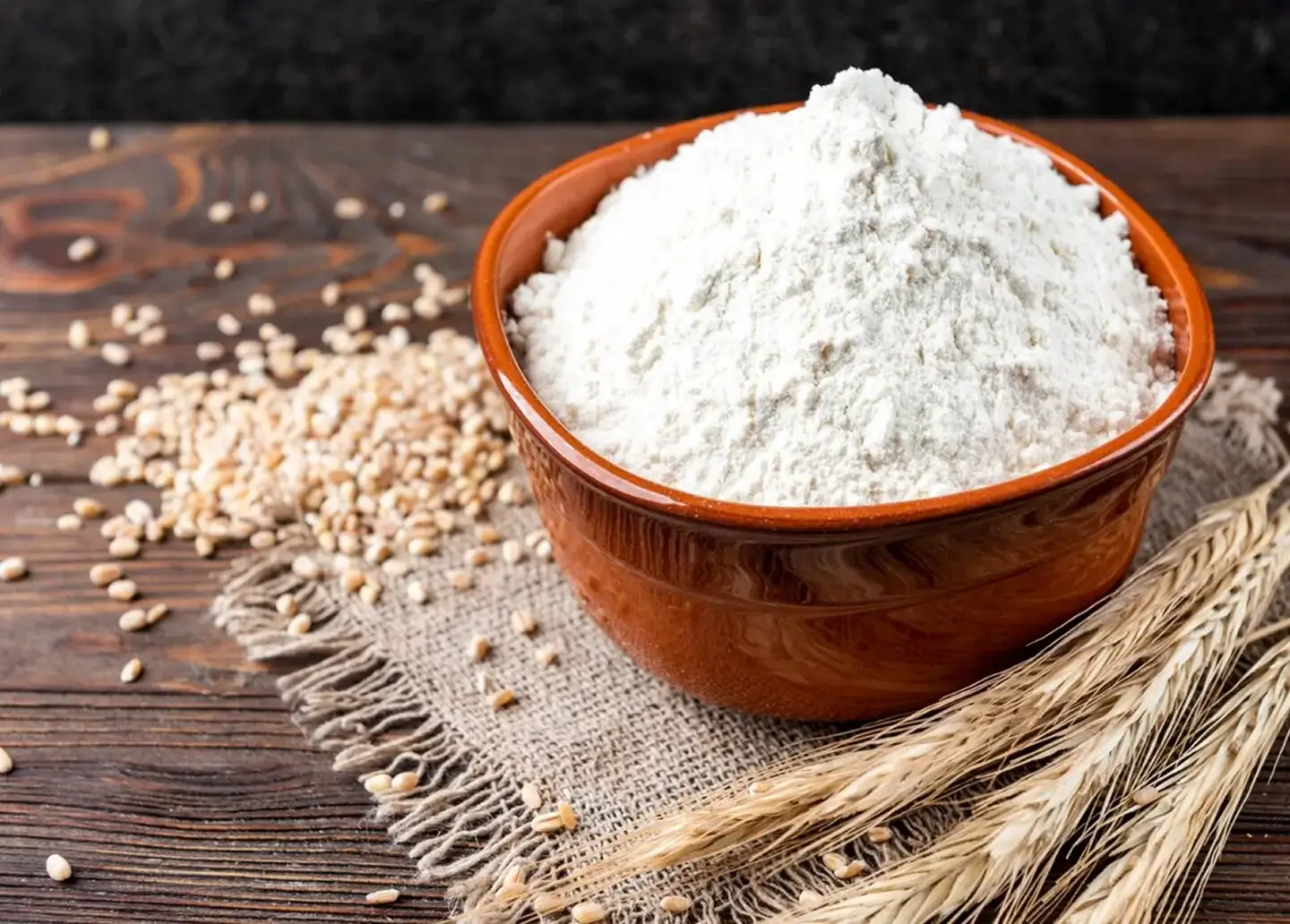
Alpha Amylase for Liquefaction
This high temperature Alpha Amylase convert Starch into Dextrin.

Beta Amylase
Our Beta Amylase can be used for the production of Maltose Syrup.
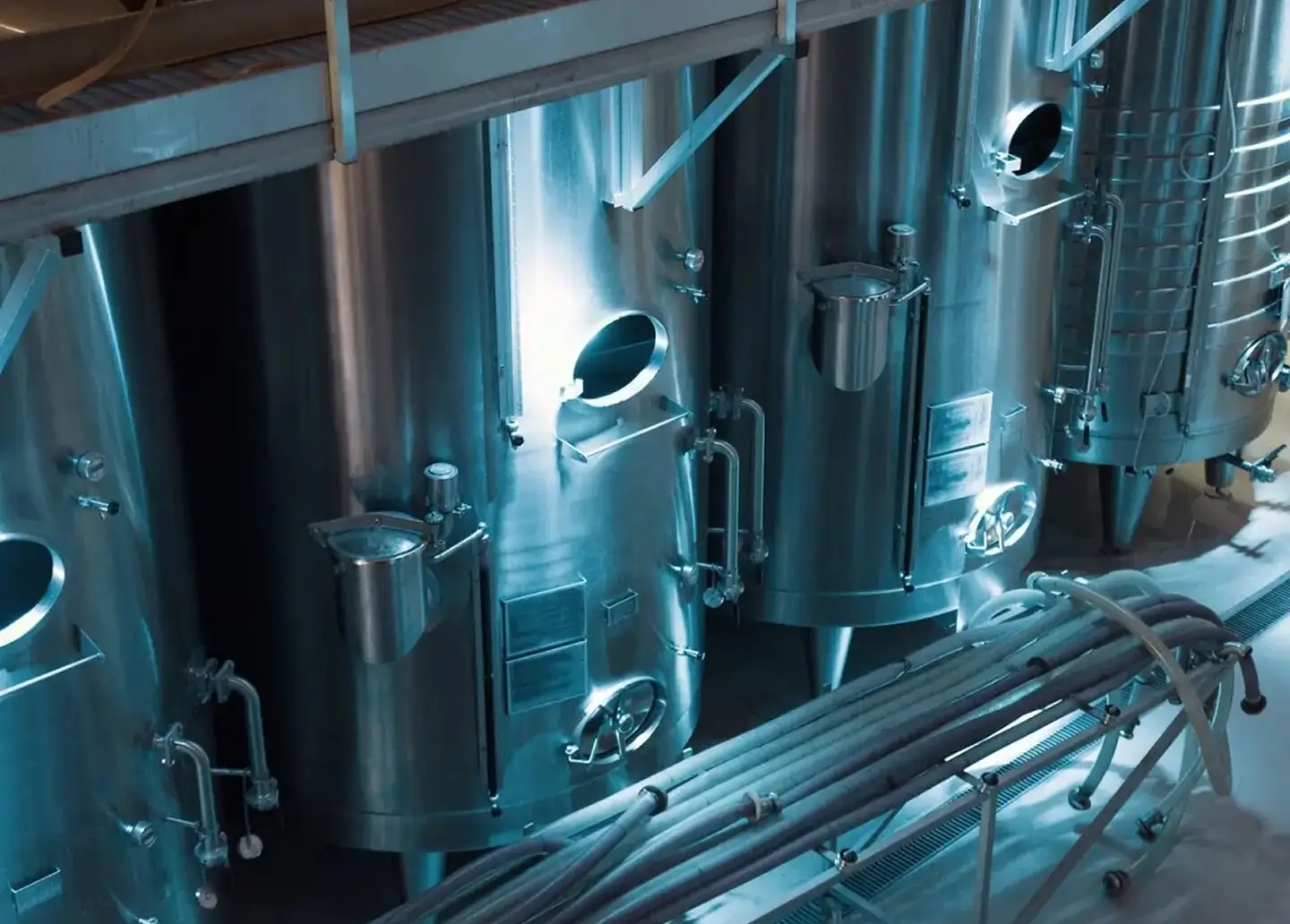
Gluco Amylase for Saccharification
Our Gluco Amylase is useful for converting Dextrin into Glucose.
Pullulanase
Enzyme to hydrolyze pullulan, a component of starch, into smaller glucose units.
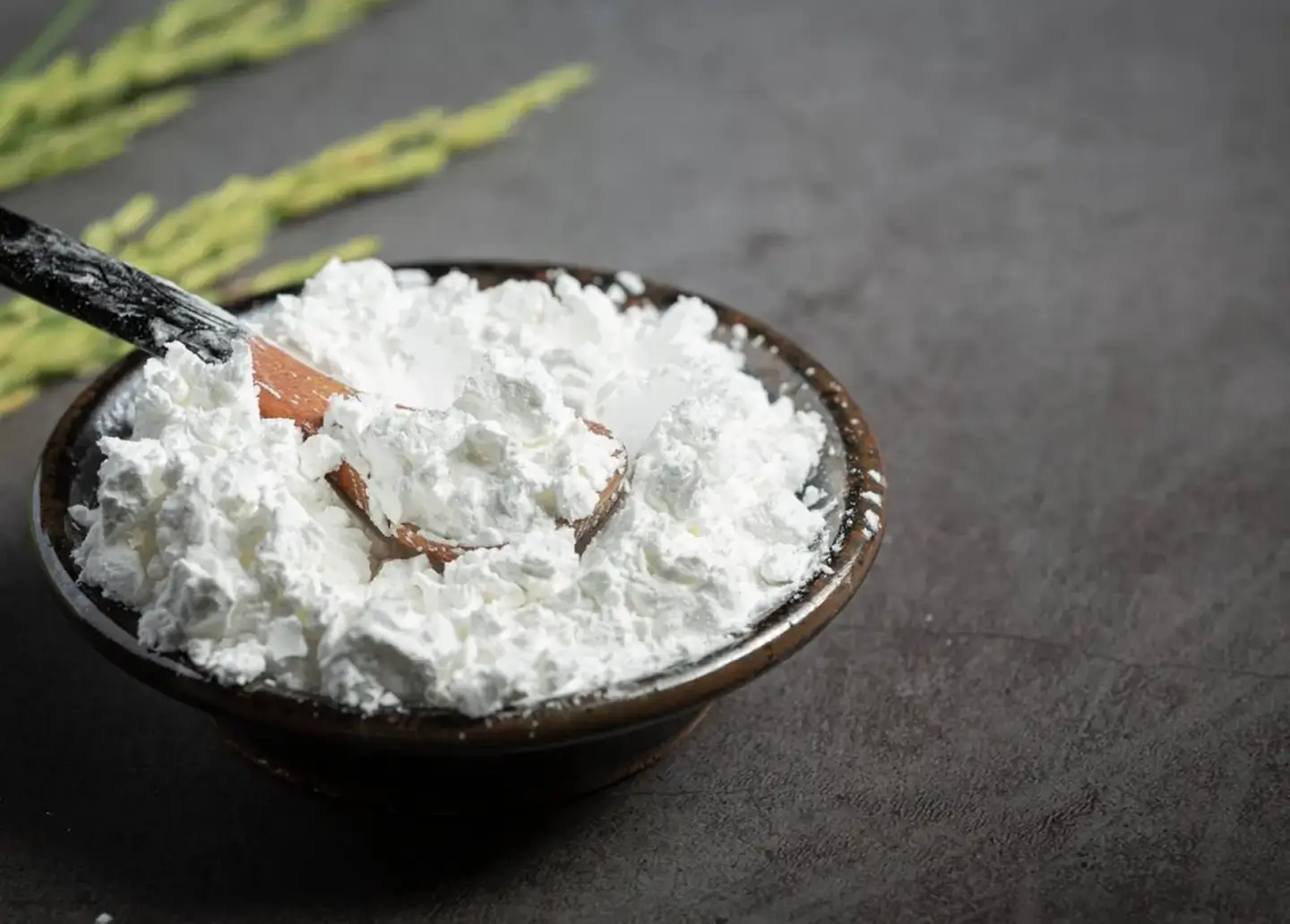
Starch Processing Enzymes Supplier in New Zealand
Infinita Biotech is one of the largest starch enzyme manufacturers supplying New Zealand, offering high grade enzymatic solutions to starch and sweetener plants across the country. With a strong focus on quality and customer satisfaction, we have built a reputation for consistency in an industry where batch variation costs a plant an entire lot. Our products are manufactured at a DSIR recognised facility in Vadodara, India, using both powder and liquid production lines, and every consignment ships with a Certificate of Analysis against the activity you were quoted.
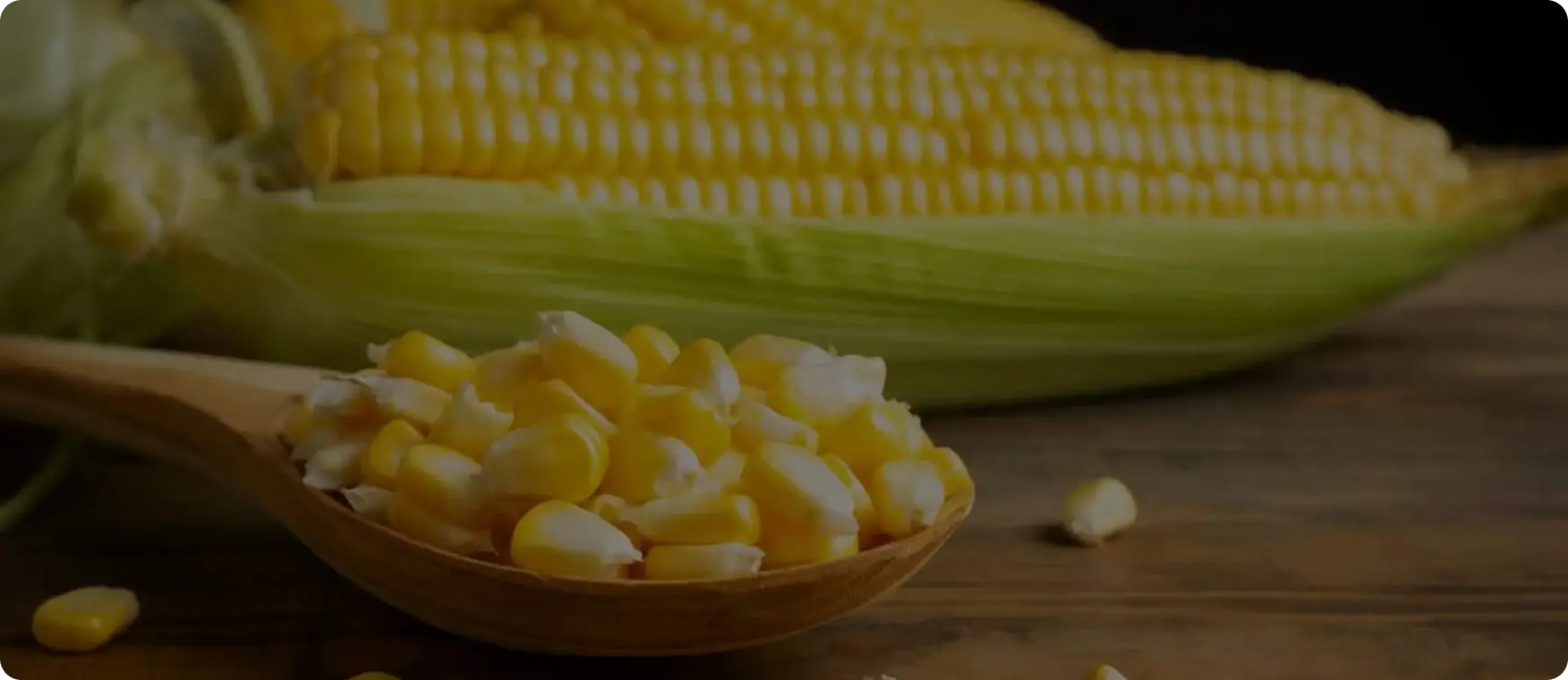
Enzymes for Starch Processing is a process to recover starch from plant sources which contain starch, such as Corn, Potatoes, Wheat, Cassava, Rice and Sorghum. In this process, wet milling of grain followed by slurry formation takes place. This starch-rich slurry is spread dried to recover starch as powder. Mostly in starch processing mills, this starch slurry is liquefied and saccharified to obtain different products like Maltodextrins, High-purity Maltose, Liquid Glucose and Dextrose powder.
In the past, strong acids had to be used to separate the starch into individual sugars, whereas today almost only enzymes are used. Since Enzymes for Starch Processing break down the branched starch molecules at very specific points, the saccharification process can be specifically controlled. In this way, different starch syrups are obtained, which differ in their sweetening power, but also in their technological properties.
Our starch processing enzyme range includes:
- Alpha Amylase for Liquefaction
- Beta Amylase
- Gluco Amylase for Saccharification
- Pullulanase
Infinita Biotech covers the New Zealand market with a broad range of high-performance starch processing enzymes for starch and sweetener processing, combining customised formulations with reliable export support.
DSIR recognition and internationally recognised quality certifications sit behind every consignment, and partners in New Zealand are supported with consistent product quality, technical guidance and a reliable supply line.
Buyers sourcing for New Zealand often compare options across the region. Each market has its own page with application and documentation detail.
Not sure which enzyme suits your process?
Send your process conditions and a sample. Our application chemists run it at the Vadodara lab and come back with dosage, temperature and pH.
Advantages of Enzymatic Starch Processing
- Lower operating temperature and reduced chemical consumption
- Consistent batch to batch activity, verified on a Certificate of Analysis
- Biodegradable, breaking down to amino acids after the reaction
- Lower effluent load and a lighter organic and chemical load at the outlet
- Trial quantities available so the process can be proven on your own line
- Application support from a dedicated chemist through trials and scale up
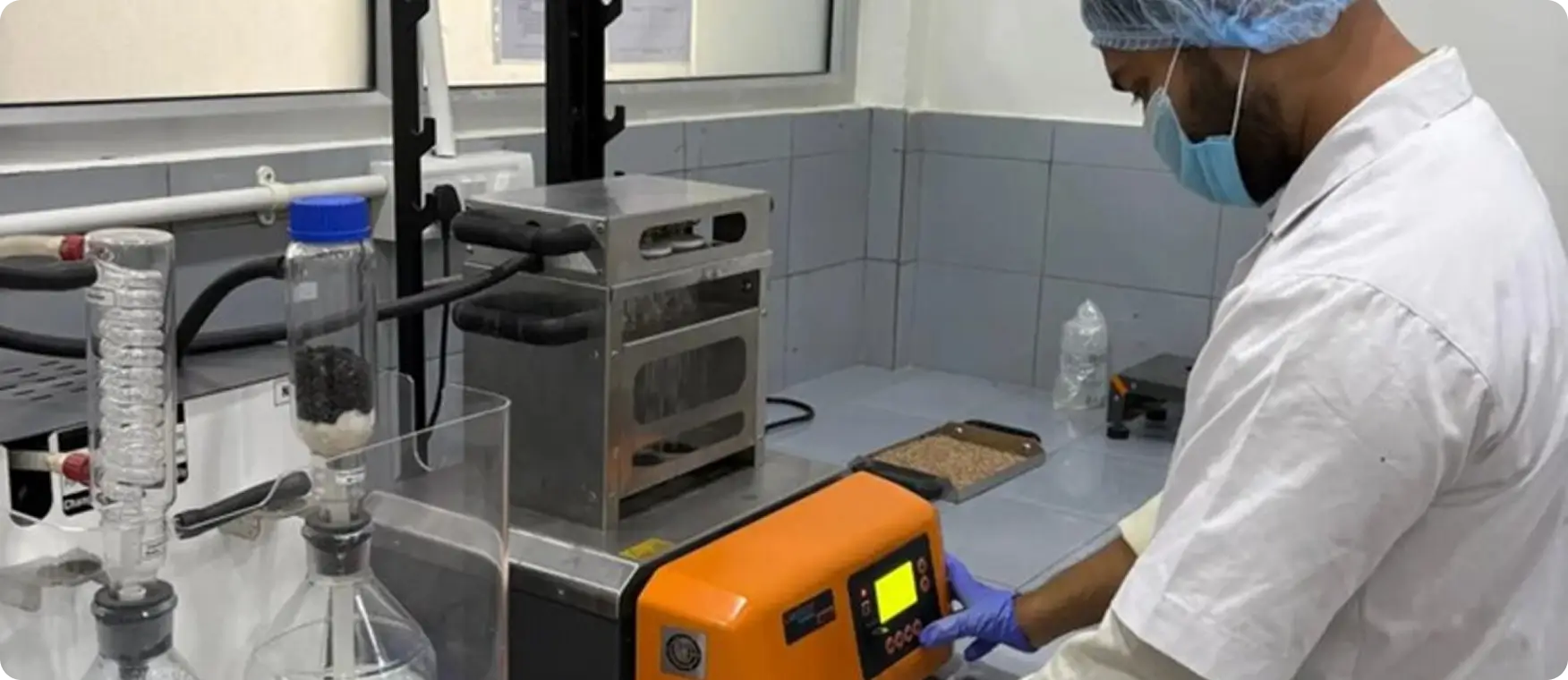
Every other application range is manufactured at the same Vadodara plant, under the same quality system.
Get a landed price for your next order
Share your volume and packing preference. We quote with lead time, documentation and the certifications your buyers audit against.
Frequently Asked Questions
Do you ship starch processing enzymes to New Zealand, and how long does it take?
What is the minimum order quantity for a New Zealand buyer?
Will the enzyme suit the process conditions we run?
Are the products certified for export supply chains?
Can you match or replace an enzyme we currently import?
Who do we contact for technical support after the first order?
Have Any Questions Or Inquiries?
Starch Processing Enzymes Supplied Across 77 Markets
Each market has its own page covering applications, documentation and the certifications buyers in that region ask for. Select a country to see the detail for that market.
Enzymes for Every Other Process Line in New Zealand
Twenty two application ranges are manufactured at the same Vadodara plant, under the same quality system, and are supplied into New Zealand.