ENZYMES

Food Enzymes Manufacturer in India

The use of Food and Beverage enzymes in food processing has increased multifold with the advent of industrial biotechnology. Enzymes are used as a natural processing aid by various food processing industries such as Bakery, Dairy, Alcoholic beverages, Sugar, etc. to enhance taste, extend shelf life, improve the texture, appearance, and nutritional profile of products. We are the top food & beverage enzyme manufacturers, our enzymatic solutions have applications in Distillery, Sugar, Brewery, Starch, Alcoholic, and Non-Alcoholic beverages, Malt, Bakery, Dairy, Meat, and many more.
Beverage Enzymes

FOOD ENZYMES

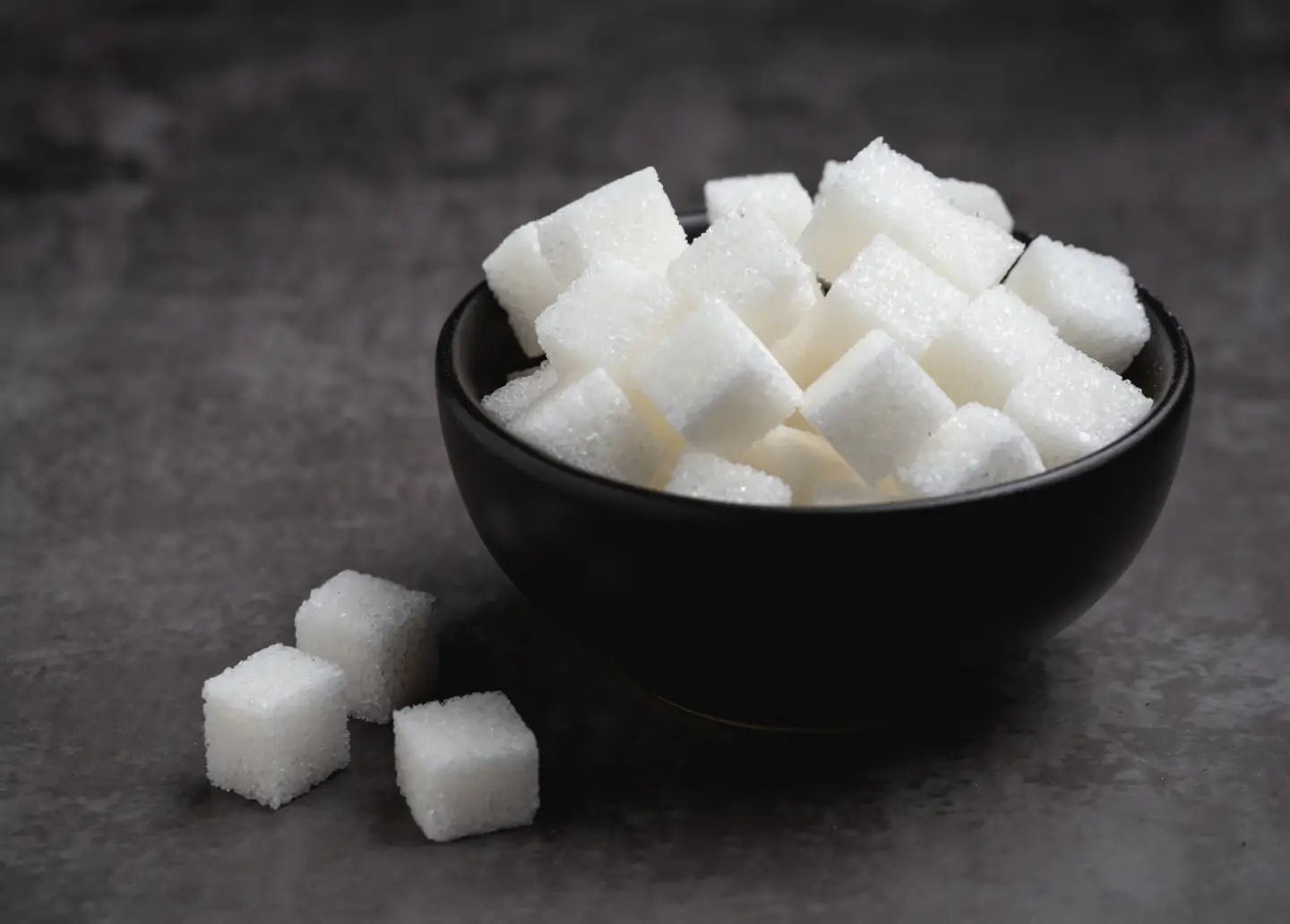
Sugar Processing Enzymes

Biotechnology increases the efficiency of sugar processing and energy saving by virtue of hydrolytic enzymes such as Dextranase and Amylase.

FOOD ENZYMES

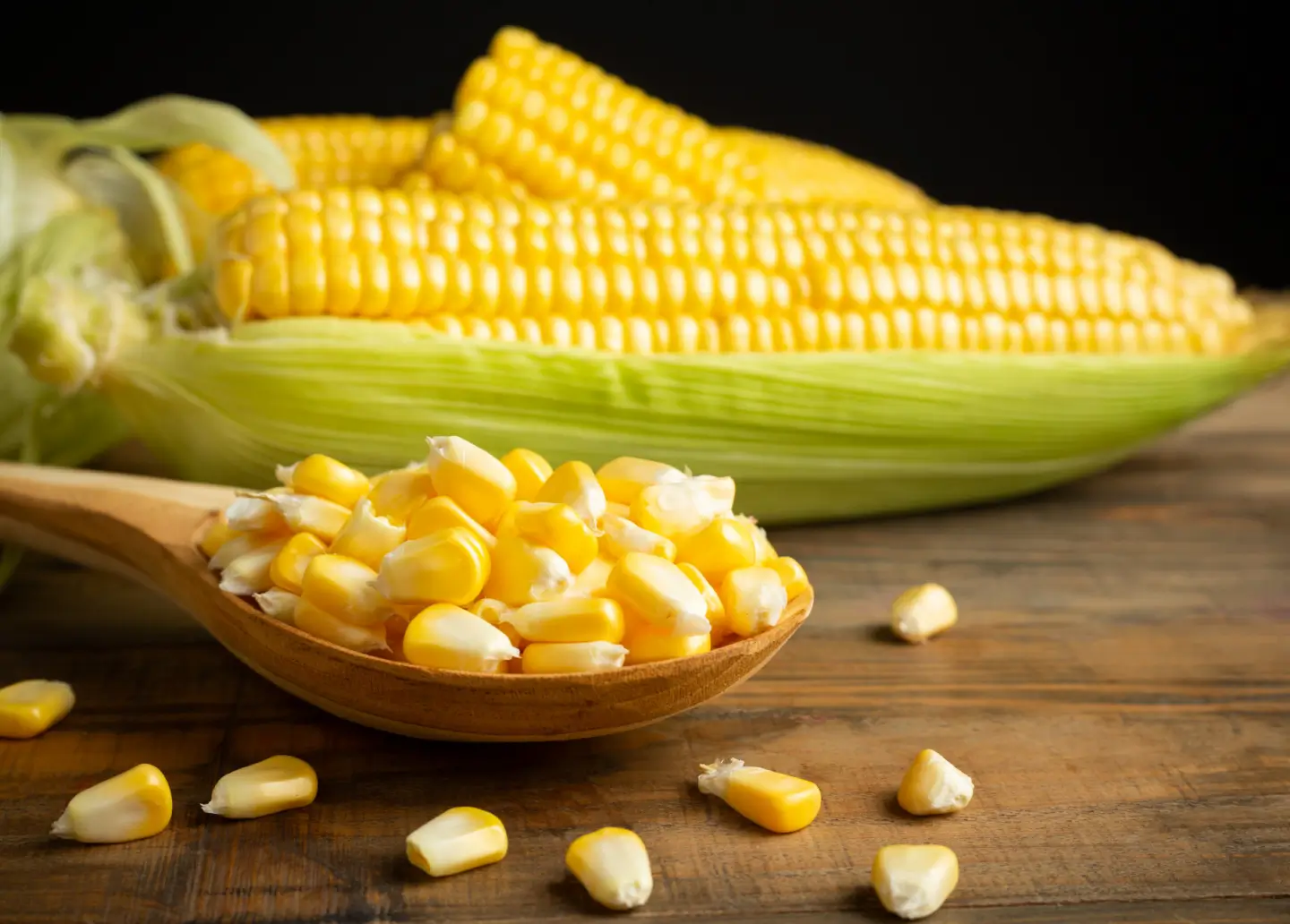
Starch Processing Enzymes

Starch Processing is a process to recover starch from plant sources which contain starch, such as Corn, Potatoes, Wheat, Cassava, Rice and Sorghum.
Beverage Enzymes
Beverage Enzymes

FOOD ENZYMES

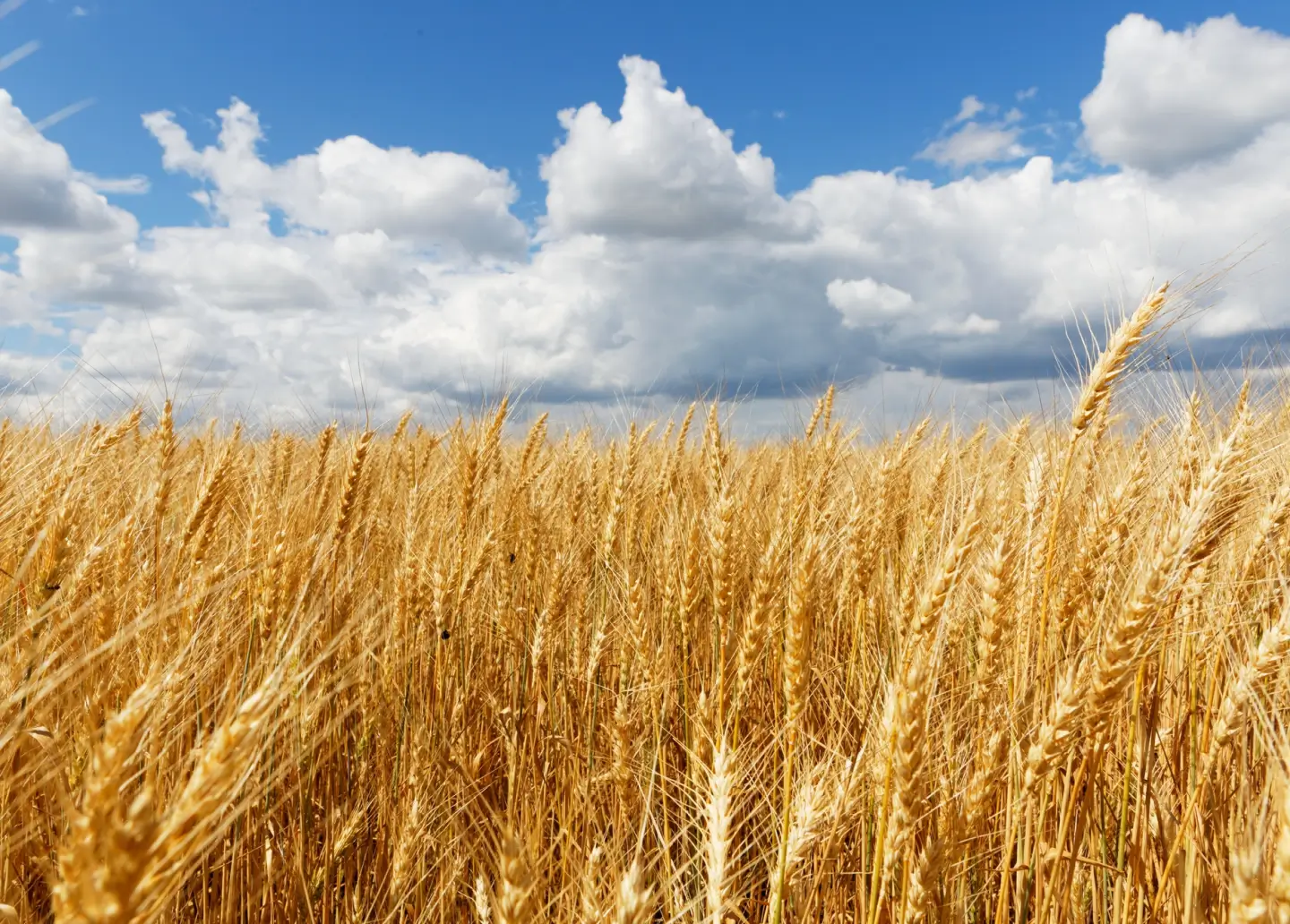
Enzymes For Malt

We at Infinita Biotech have the experience to appreciate why subtle changes in one part of Malting, operation changes and raw material constraints will have implications further in its downstream process.

FOOD ENZYMES

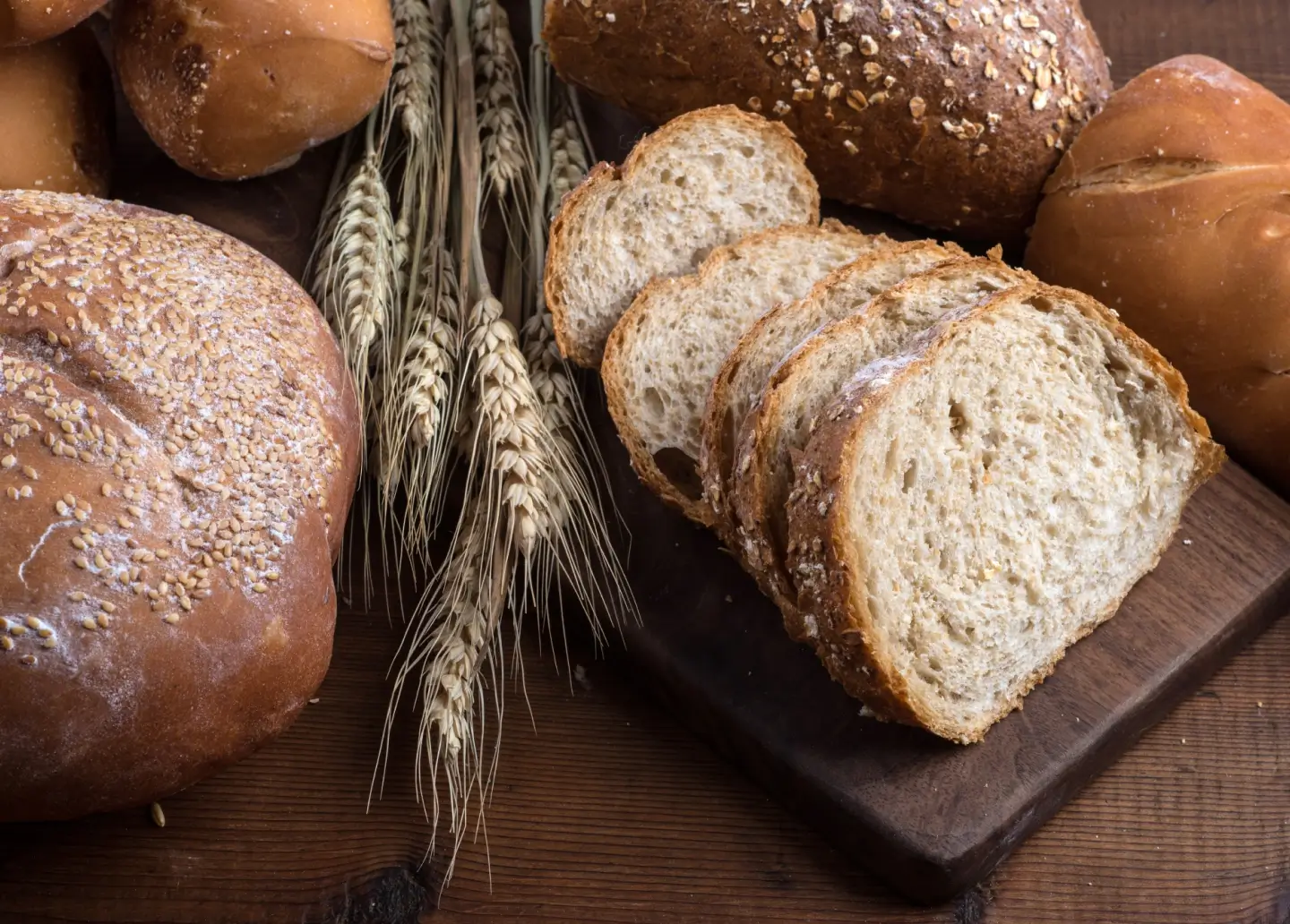
Bakery Enzymes

We provide a variety of enzymatic solutions which can be widely used in the Food Industry. Food and beverage enzyme processing covers the development of novel enzymes with desired properties and functions for use in food industries. These enzymes are used as analytical tools for monitoring food and beverage processing. It also details the application of enzymes in different food and beverage industries, recent advances in enzymology, functional foods, probiotics, and food additives.
Beverage Enzymes
Beverage Enzymes

FOOD ENZYMES

Dairy Enzymes

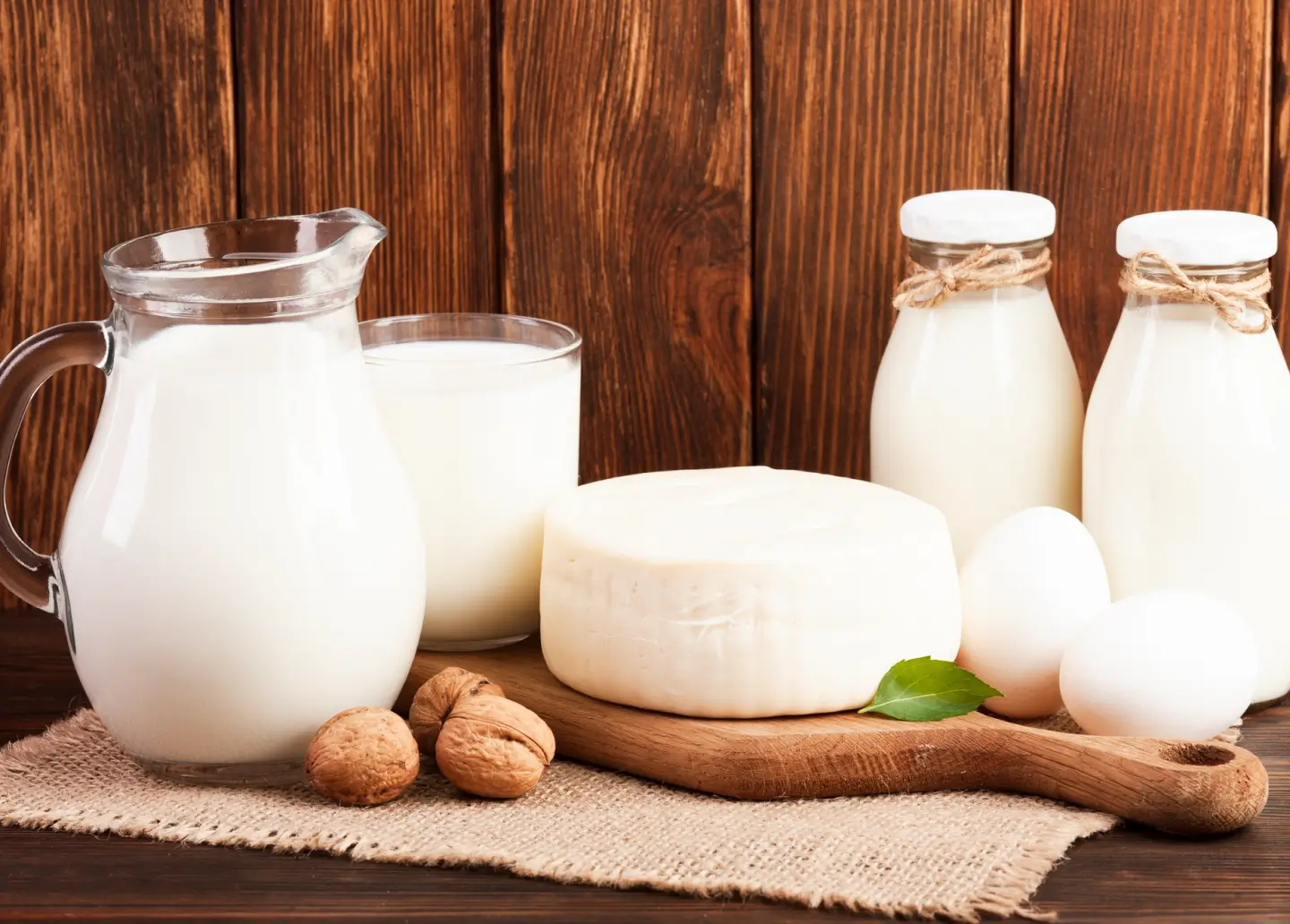
In the dairy industry, enzymes are used for a range of functions from coagulants to cheese ripening, to improve the solubility and taste of dairy products, and application of bioprotective enzymes to increase the shelf life and safety of products.

Related Blogs & Insights

Enzymes in Sugar Processing: Maximizing Yield and Efficiency

Enzymes in Sugar Processing: Maximizing Yield and Efficiency

In the modern food and beverage industry, efficiency and sustainability are no longer optional — they’re essential. In this context, enzymes have emerged as powerful tools in sugar processing, transforming traditional production methods into more cost-effective and...

NEED ANY HELP?

Frequently Asked Questions , Food Enzymes

What are food enzymes and how do they work?

Food enzymes are protein-based biological catalysts that accelerate specific chemical reactions during food processing — breaking down starches, proteins, fats, or fibres into desired forms. They replace harsher chemical processing aids while improving taste, texture, shelf life, and nutritional profile of the final product.

Which industries use food enzymes from Infinita Biotech?

Bakery (alpha amylase, xylanase, lipase), dairy (lactase, rennet, lipase), sugar processing (dextranase, amylase, invertase), starch processing (alpha amylase, glucoamylase, pullulanase), malt extraction, meat tenderisation (papain, bromelain), and fruit juice clarification (pectinase, cellulase).

How does enzymatic processing compare to chemical processing in food?

Enzymatic processing operates at lower temperatures and milder pH, reducing energy use by 15–30%. Yields typically improve 5–15% versus chemical-only processes, and effluent BOD is significantly lower because enzymes are biodegradable proteins that complete reactions and break down naturally.

Are food enzymes from Infinita Biotech FSSAI compliant?

Yes — all food-grade enzyme formulations are produced from FSSAI-approved microbial strains and packaged according to food contact regulations. Each batch ships with a Certificate of Analysis showing activity levels, pH range, temperature optima, and microbial specifications.

How are food enzymes dosed in industrial production?

Dosage depends on enzyme activity (specified in standard activity units per gram), the substrate concentration, and process conditions. Typical dosage ranges: 50–200 ppm for bakery alpha amylase; 0.05–0.1% for cheese rennet; 100–500 ppm for sugar processing dextranase. The technical team provides application trials to optimise dosage for specific raw material and yield targets.

What is the typical pH and temperature range for food enzymes?

Most food enzymes operate optimally at pH 4.5–7.0 and 40–65°C. Specific formulations exist for low-temperature applications (cold-active proteases for dairy) and high-temperature applications (thermostable amylases for starch liquefaction at 90–105°C). Stability profiles are documented per product.

How can I source food enzymes for my plant?

Reach the food enzymes team at sales@infinitabiotech.com with the application (bakery, dairy, brewing, etc.), substrate, target output, and expected monthly volume. Trial samples are available on request, and the technical team can run application trials before scale-up.

Driving Innovation
For A Greener Tomorrow

Committed to advancing eco-friendly biotechnology for a healthier planet.