
Latest Blogs & Articles
Phytase, NSP-ase & Protease in Poultry Feed Formulation: Digestibility Coefficients and FCR Improvements
Key Highlights Phosphorus bioavailability increase of 25–40%: Phytase degrades phytate, releasing bound phosphorus and enabling inorganic phosphate reduction in the diet. AME improvement of 60–120 kcal/kg: NSP-ase reduces intestinal viscosity in cereal-based diets,...

Papain, Bromelain & Subtilisin in Enzymatic Exfoliation: Substrate Specificity, pH Stability & Cosmetic Formulation
Key Highlights Three distinct enzyme classes: Papain and bromelain are plant-derived cysteine proteases; subtilisin is a microbially produced serine protease with different substrate specificity and pH profile. Selective action on dead skin: All three enzymes cleave...
Pectinase & Cellulase in Cold-Press Juice Extraction: Clarity, Yield & NFC Standards
Key Highlights Yield improvement of 10–25%: Combined pectinase-cellulase treatment delivers significantly higher juice yields than mechanical pressing alone. Clarity above 95% transmittance: Enzymatic depectinisation is essential for achieving NFC clear juice clarity...
Enzymatic Bioscouring vs Conventional NaOH Scouring: BOD Load, Water Savings & Tensile Strength Data
Key Highlights BOD reduction of 30–50%: Bioscouring effluent has near-neutral pH and dramatically lower organic load than NaOH scouring waste. Tensile strength preserved: Enzymatic bioscouring results in less than 3% tensile strength loss versus 5–15% for NaOH...
Microbial Enzyme Consortia for Industrial Effluent Treatment: COD/BOD Reduction in Food & Textile Wastewater
Key Highlights COD reduction of 50–70%: Enzyme consortia in aerobic biological treatment can bring food wastewater within CPCB discharge standards within 24–48 hours. Multi-enzyme activity: Effective consortia express protease, lipase, amylase, cellulase, and...
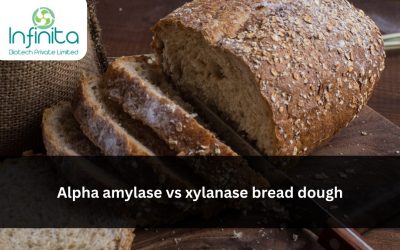
Alpha Amylase vs Xylanase in Bread Dough Mechanism, Dosage & Industrial Outcomes
Key Highlights Different substrates, complementary action: Alpha-amylase cleaves starch; xylanase hydrolyses arabinoxylans — their mechanisms do not compete. Dosage precision matters: Fungal alpha-amylase is dosed at 10–50 ppm; xylanase at 20–100 ppm of flour weight...
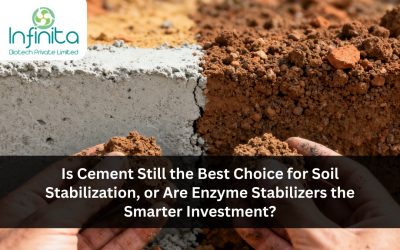
Is Cement Still the Best Choice for Soil Stabilization, or Are Enzyme Stabilizers the Smarter Investment?
Stable ground is the backbone of every successful infrastructure project. From highways to rural roads, industrial yards to parking lots choosing the right soil stabilization method determines durability, lifecycle cost, and environmental impact. Traditionally, cement...
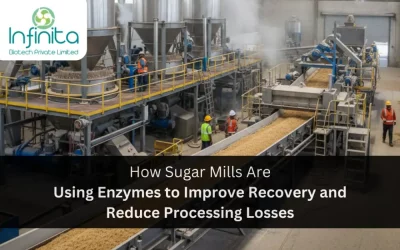
How Sugar Mills Are Using Enzymes to Improve Recovery and Reduce Processing Losses
Introduction: Why Sugar Recovery Is Under Pressure Sugar mills operate in an environment where margins are constantly tightening. Cane quality fluctuates, harvesting delays increase microbial activity, and energy costs continue to rise. In this setting, improving...
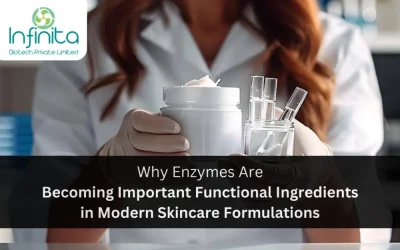
Why Enzymes Are Becoming Important Functional Ingredients in Modern Skincare Formulations
Introduction: A Shift Toward Smarter Skincare Skincare is moving away from aggressive formulations that promise instant results at the cost of long-term skin health. Today’s consumers expect products to be effective, gentle, and compatible with the skin’s natural...
How Enzyme Combinations Are Improving Wash Performance in Modern Laundry and Dishwashing
Introduction: The Silent Science Behind Cleaner Washes Laundry and dishwashing have evolved quietly but significantly. Clothes now look brighter, fabrics last longer, and dishes come out spotless even after short wash cycles. These improvements are not driven by...
Categories