ENZYMES

Animal Feed Enzymes Manufacturer

What are Animal Feed Enzymes?


Selected group of enzymes are in demand due to their ability to improve animal performance and reduce nutritional variation in raw materials. Specifically, protease enzymes have the potential to improve protein digestibility.

Proteases break down complex proteins into shorter proteins, called peptides, and amino acids, which are the building blocks of protein. They are also capable of taking apart proteins that bind starch within feed ingredients, thus making more of the energy found in starch available to the animal.

In the feed enzymes industry, there is a growing demand for enzymes that can enhance animal performance and minimize nutritional variations in raw materials. Among these enzymes, proteases play a crucial role in improving protein digestibility. By breaking down complex proteins into peptides and amino acids, proteases facilitate efficient nutrient absorption and utilization by animals. Additionally, proteases can also disrupt protein-starch complexes, unlocking the energy potential of starch in feed ingredients. The utilization of enzymes in the feed industry offers a promising avenue to optimize animal nutrition and support overall animal health and performance.
Image

Our Solutions

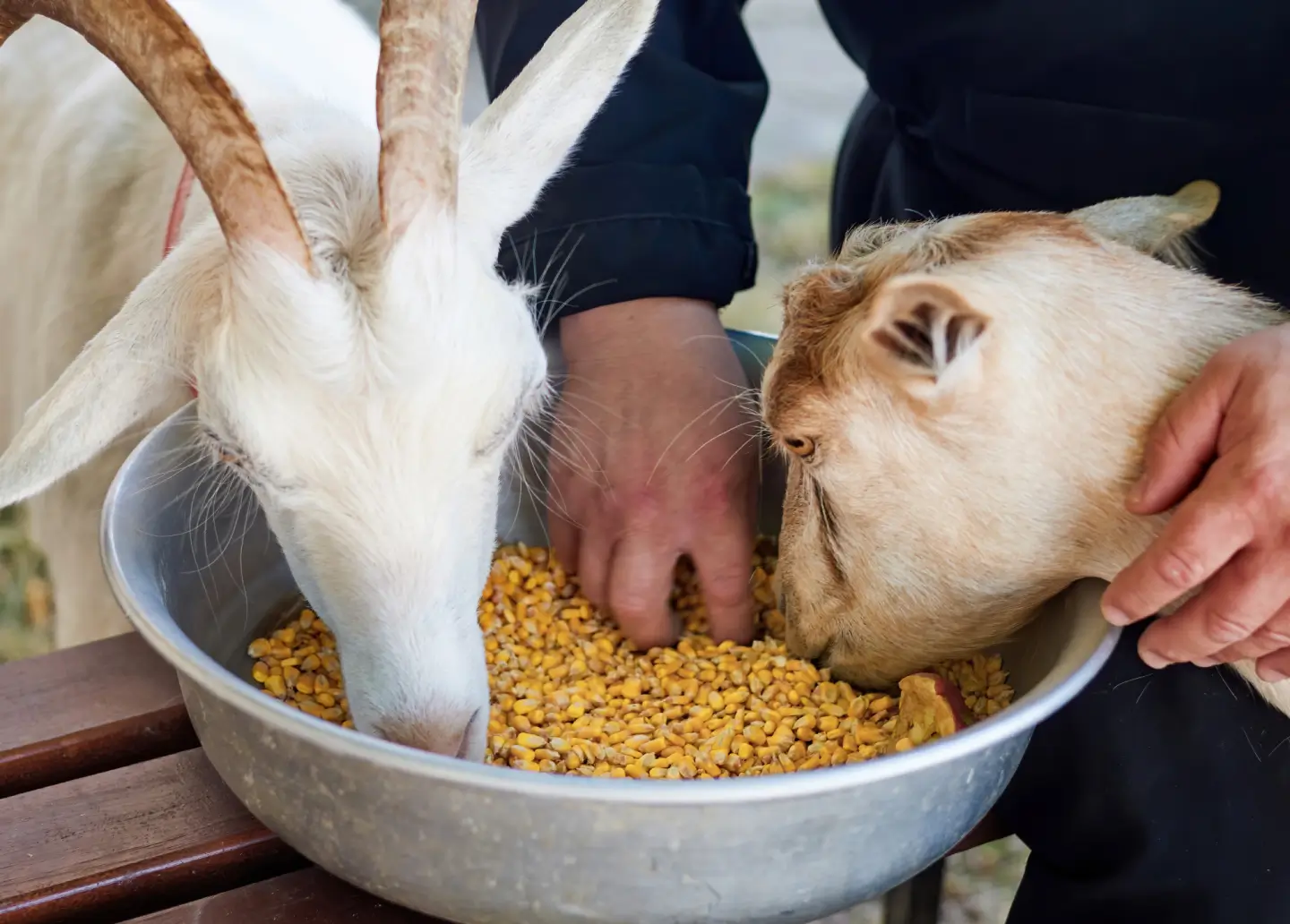
image

Phytase

It catalysis the hydrolysis of indigestible phytic acid into organic form of phosphorus.
right-click

Phytic Acid Degradation

right-click

Improves Phosphorous Absorption

right-click

Increases Availability of Feed Nutrients

Cellulase

It is a complex of enzyme mixture which contains endo, exo and beta activities. It helps in easy digestion of cellulosic fibres in the feed.
right-click

Fibre Digestion

right-click

High Energy Generation

right-click

Improves Digestion In Animal

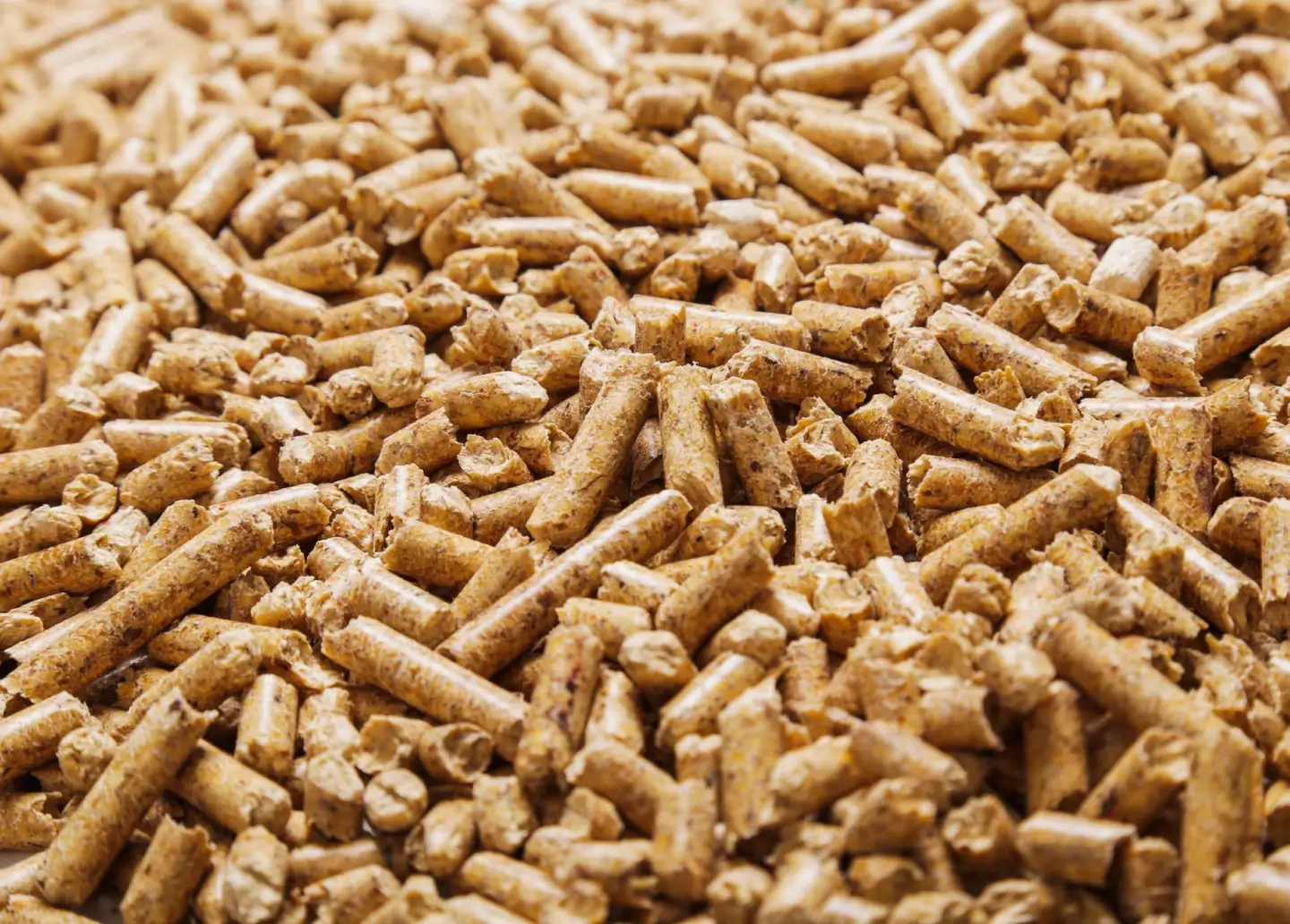
image
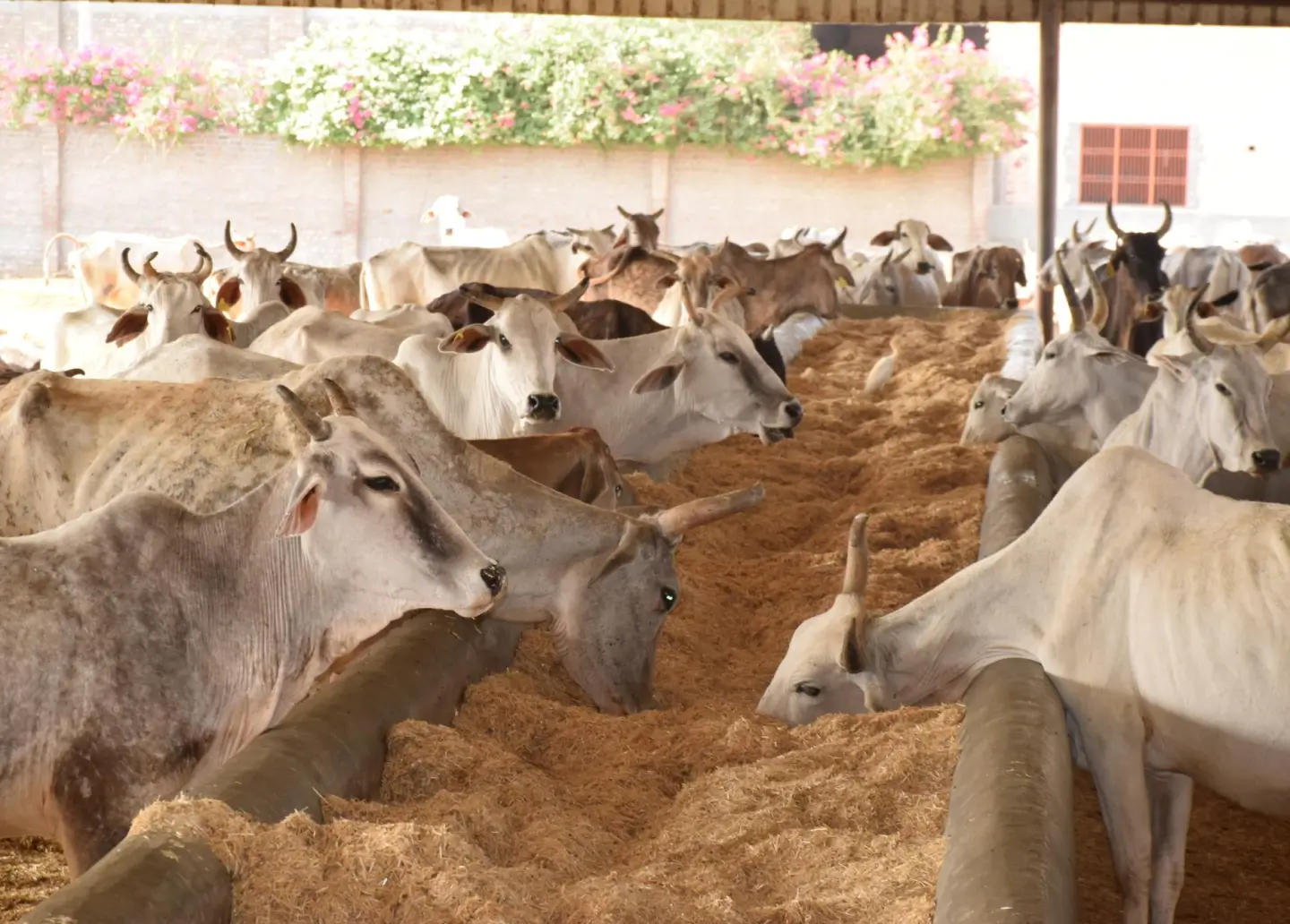
image

Xylanase

It helps to breakdown xylan in cell wall of food grains.
right-click

Improves Animal Gut Health

right-click

Releases Entrapped Nutrients

right-click

Improves Feed Efficiency

Mannanase

Increases the digestibility of mannan, found in plant based meals.
right-click

Reduces Anti-Nutritional Factors

right-click

Increases Immunity in Animals

right-click

Decreases Waste Output

image
image

Protease

It helps to digest proteins in the feed.
right-click

High Energy Generation

right-click

Wide Range of Protein Digestion

right-click

Minimizises Effect of Anti-nutritional Factors

Multi Enzymes Blend

Multi-activity feed enzymes formulated for animal feed.
right-click

Better Nutrient Utilisation

right-click

Improve Feed Conversion

right-click

Improves Litter

image

Related Blogs & Insights

Boost Feed Efficiency: How Enzymes Revolutionize Animal Nutrition

Boost Feed Efficiency: How Enzymes Revolutionize Animal Nutrition

In the ever-evolving field of animal nutrition, the need to optimize feed efficiency has never been greater. With rising production costs, limited natural resources, and growing consumer demand for sustainable practices, livestock producers are under pressure to do...

What are Cellulase Enzymes, and How Do They Benefit Animal Feed?

What are Cellulase Enzymes, and How Do They Benefit Animal Feed?

Introduction to Cellulase Enzymes Cellulase enzymes are biological catalysts that decompose cellulose, a vital component of plant cell walls. These enzymes are critical for improving the digestibility of animal feed, enabling livestock to extract maximum nutrients...

Nutrition Unpacked: Exploring Animal Feed Enzymes and Their Impact

Nutrition Unpacked: Exploring Animal Feed Enzymes and Their Impact

Animal feed enzymes play a crucial role in improving the overall nutritional quality of animal feeds. These enzymes, which are derived from various sources, have a significant impact on animal health and the environment. In this article, we will delve into the basics...

NEED ANY HELP?

Frequently Asked Questions ,Animal Feed Enzymes

What are animal feed enzymes and what do they do?

Feed enzymes are added to poultry, swine, and aquaculture feed to break down anti-nutritional factors (NSPs, phytate) that animals cannot digest on their own. They release bound nutrients, reduce feed cost per kg of weight gain, and lower nitrogen and phosphorus discharge into the environment.

Which enzymes does Infinita Biotech supply for poultry feed?

Phytase (releases bound phosphorus from phytate, allowing inorganic phosphate reduction in the diet), NSP-ase blends (xylanase and beta-glucanase to reduce intestinal viscosity in cereal diets), and proteases (improve amino acid digestibility, especially in soybean-meal diets).

How much can phytase improve poultry FCR?

Independent trials and commercial data show phytase improves broiler FCR by 2–5% and increases phosphorus bioavailability by 25–40%. This translates to feed cost savings of $3–8 per tonne of complete feed and proportional reductions in phosphorus excretion.

What is the typical phytase dosage in broiler feed?

Standard dosage is 500–1000 FTU/kg of complete feed for broilers, with higher inclusion (1000–1500 FTU/kg) for super-dosing strategies that target additional growth response. Dosage is adjusted based on diet phytate content and target P-release.

Are feed enzymes thermostable for pelleting?

Yes — Infinita Biotech feed enzymes are formulated with thermostable strains and protective coating systems that maintain over 85% activity after pelleting at 80–90°C. Activity recovery data after typical pelleting conditions is provided per batch.

What is the shelf life and storage requirement for feed enzymes?

Shelf life is 12 months from manufacture when stored cool and dry. Liquid forms typically require refrigeration (2–8°C); granular forms are shelf-stable at room temperature in sealed packaging.

How can a feed mill order feed enzymes from Infinita Biotech?

Reach the feed enzymes team at sales@infinitabiotech.com with feed type (broiler, layer, swine, aqua), monthly tonnage, current dietary specifications, and target enzyme(s). Trial samples and on-site dosing recommendations are available before commercial supply.

Driving Innovation
For A Greener Tomorrow

Committed to advancing eco-friendly biotechnology for a healthier planet.