by admin | Apr 6, 2026 | Uncategorized
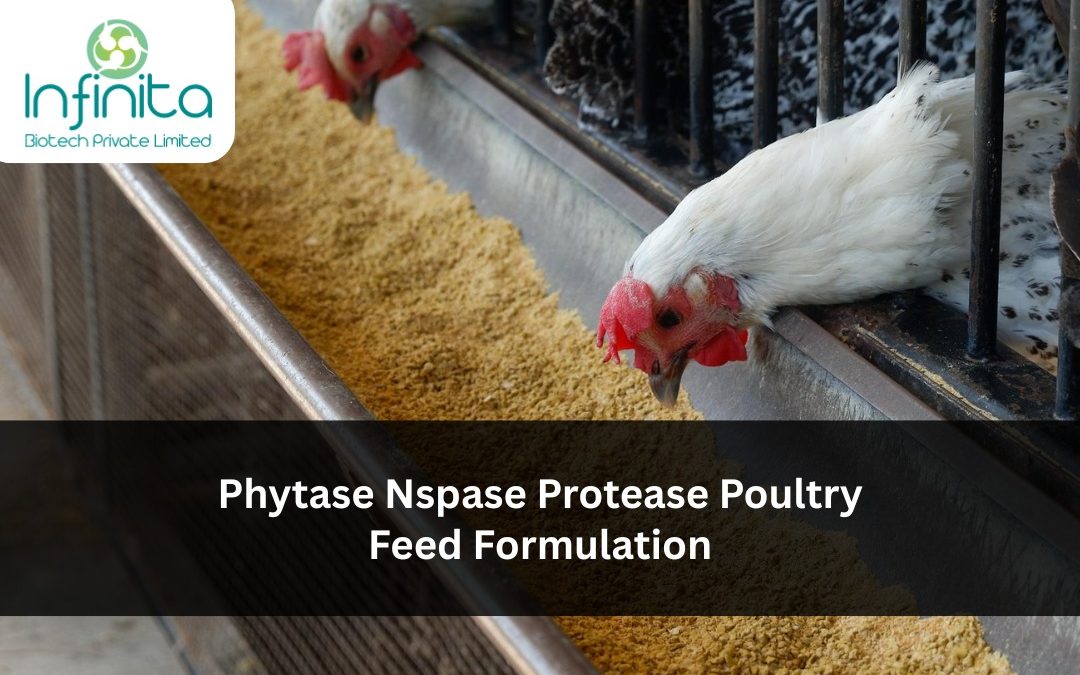
Key Highlights Phosphorus bioavailability increase of 25–40%: Phytase degrades phytate, releasing bound phosphorus and enabling inorganic phosphate reduction in the diet. AME improvement of 60–120 kcal/kg: NSP-ase reduces intestinal viscosity in cereal-based diets,...
by admin | Apr 6, 2026 | Uncategorized
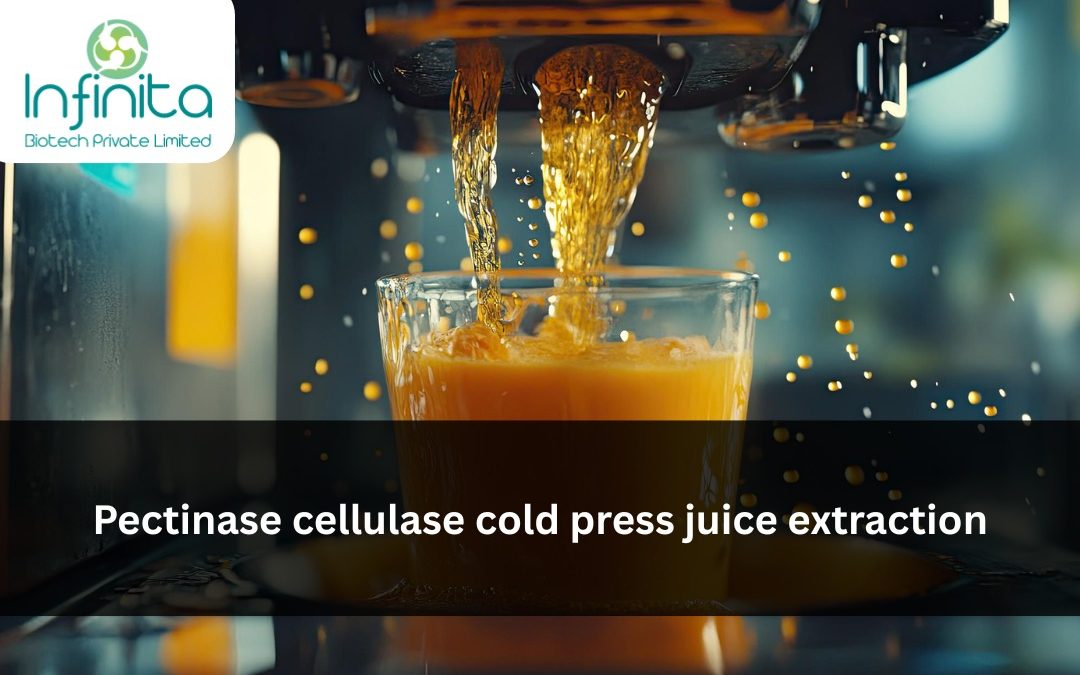
Key Highlights Yield improvement of 10–25%: Combined pectinase-cellulase treatment delivers significantly higher juice yields than mechanical pressing alone. Clarity above 95% transmittance: Enzymatic depectinisation is essential for achieving NFC clear juice clarity...
by admin | Apr 6, 2026 | Uncategorized
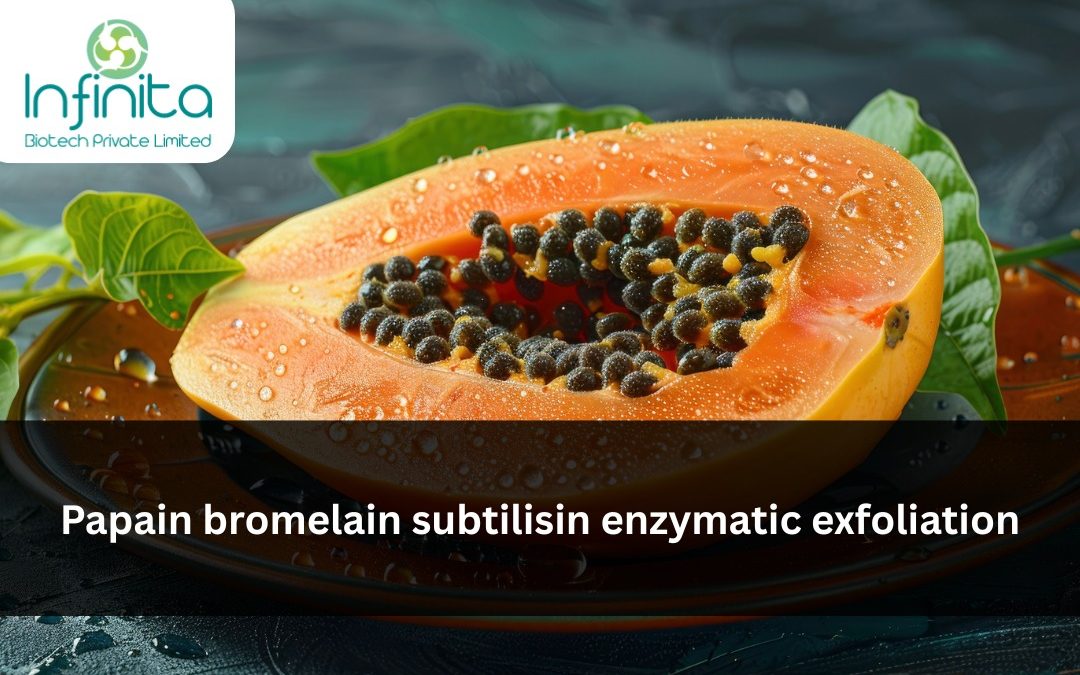
Key Highlights Three distinct enzyme classes: Papain and bromelain are plant-derived cysteine proteases; subtilisin is a microbially produced serine protease with different substrate specificity and pH profile. Selective action on dead skin: All three enzymes cleave...
by admin | Apr 6, 2026 | Uncategorized
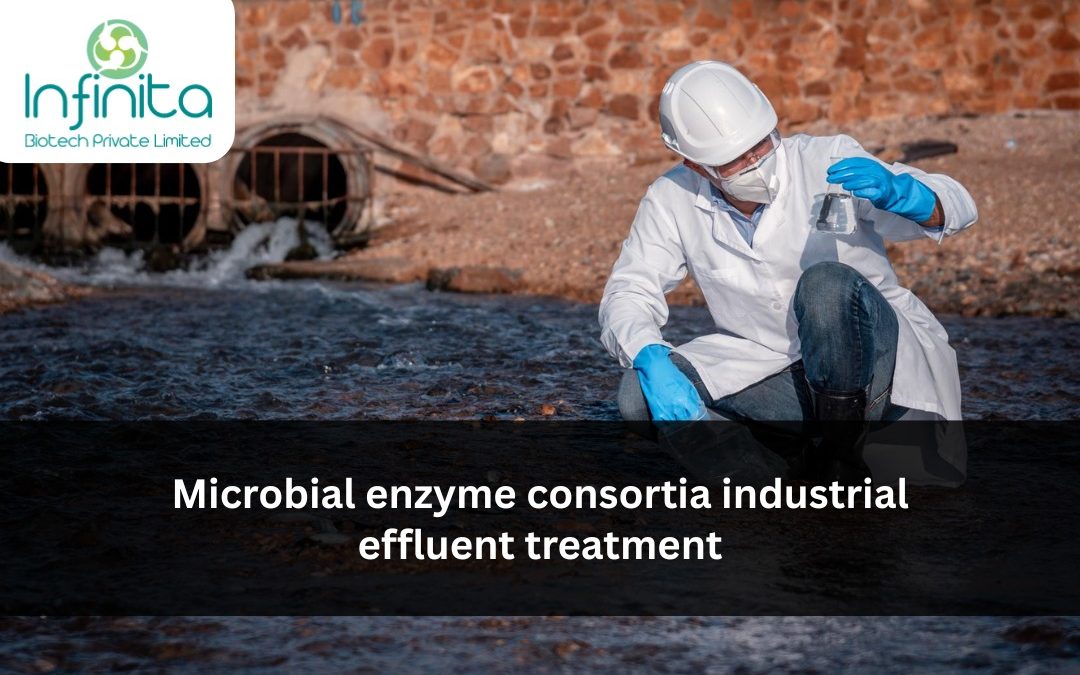
Key Highlights COD reduction of 50–70%: Enzyme consortia in aerobic biological treatment can bring food wastewater within CPCB discharge standards within 24–48 hours. Multi-enzyme activity: Effective consortia express protease, lipase, amylase, cellulase, and...
by admin | Apr 6, 2026 | Uncategorized
Key Highlights BOD reduction of 30–50%: Bioscouring effluent has near-neutral pH and dramatically lower organic load than NaOH scouring waste. Tensile strength preserved: Enzymatic bioscouring results in less than 3% tensile strength loss versus 5–15% for NaOH...