 Summarize this Article with AI
Introduction to Enzymes in Cosmetics
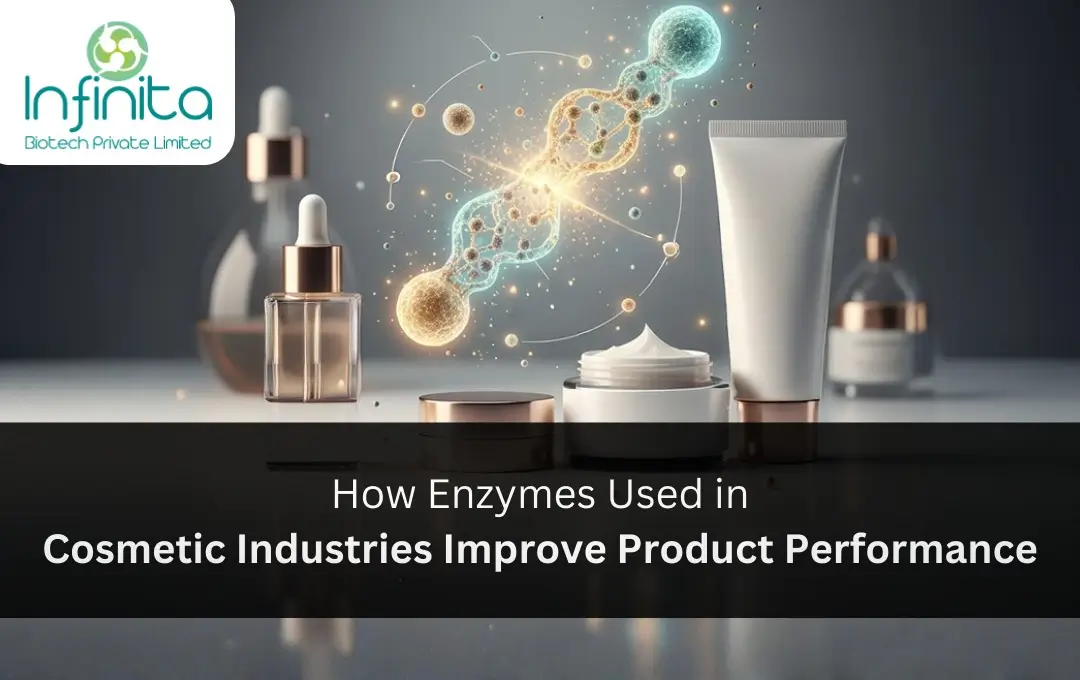
Enzymes are naturally occurring biocatalysts that enhance the performance of skincare and haircare products. Unlike traditional chemical agents, they interact precisely with biological substrates, offering targeted benefits such as exfoliation, hydration, and protection. Modern formulations harness these enzymes to deliver effective, gentle, and science-backed results for both skin and hair.
Proteases for Gentle Skin Renewal
Protease enzymes such as bromelain, papain, and keratinase provide gentle exfoliation by breaking down dead skin cells and excess protein residues. This promotes cell turnover, unclogs pores, and improves skin texture and brightness without causing microabrasions. Their precise action helps maintain skin health while enhancing the absorption of serums, creams, and other active ingredients.
Other Enzymes Supporting Skin Health
Beyond proteases, enzymes like lipases, amylases, hyaluronidases, oxidoreductases, and collagenases offer complementary benefits. Lipases regulate sebum, amylases remove carbohydrate residues, and hyaluronidases enhance hydration. Oxidoreductases combat oxidative stress, while collagenases remodel collagen networks to improve elasticity and firmness. Together, these enzymes create a holistic approach to skin health, addressing cleansing, hydration, anti-aging, and radiance.
Enzyme Benefits for Hair Care
In haircare, enzymes improve scalp and hair health simultaneously. Proteases gently exfoliate the scalp, removing dead cells, while lipases balance excess oil to maintain a clean environment. Enzyme-infused conditioners and serums enhance softness, shine, and manageability, supporting stronger hair fibers and reducing breakage from root to tip.
Formulation and Application Considerations
Maintaining enzyme stability requires careful attention to pH, temperature, and ingredient compatibility. Encapsulation and controlled-release technologies ensure consistent activity throughout the product’s shelf life. Enzyme-infused cosmetics are incorporated into cleansers, masks, moisturizers, serums, shampoos, conditioners, and hair treatments to maximize efficacy.
Safety, Sustainability, and Environmental Impact
Enzyme-based cosmetic products are biodegradable and environmentally friendly, reducing chemical load in wastewater. They undergo rigorous safety testing for irritation and allergenicity, and compliance with regulatory standards ensures consumer safety. Their eco-conscious nature aligns with the growing demand for sustainable beauty solutions.
Innovations and Future Trends
Recent advancements have produced enzymes with improved stability and multifunctional capabilities. Multi-enzyme formulations provide synergistic benefits, while cold-active and pH-tolerant enzymes allow versatile applications across diverse cosmetic products. Emerging trends include personalized skincare solutions, optimized delivery systems, and broader adoption of enzyme-infused formulations to enhance efficacy and sustainability.
By leveraging advanced enzyme technologies, cosmetic innovators are now able to deliver products that combine efficacy, skin and hair health, and eco-friendly practices—qualities that Infinita Biotech continues to champion.