BEVERAGE ENZYMES

Distillery Enzyme Manufacturers in India

What are Distillery Enzymes?


Distilleries can be differentiated on the basis of the type of feedstock they use which mainly comprise two types of sugar-based and starch-based.

Sugar-based distillery enzymes are further divided into feedstocks such as treated Cane Juice, Cane Molasses, Beet Juice and Beet Molasses. On the other hand, starch-based distilleries are further divided into grains and tubers like Rice, Wheat, Corn, Barley, Millet and Cassava roots.

Enzymes have been widely used in distilleries for various benefits like increasing the yield and efficiency by utilising dextrins and polymers which Yeast cannot metabolise directly, streamlining the processes, eliminating bacterial contaminants, which thus lower by-products and improve spirit quality.

Distillers enzymes are essential in the distillery industry, enhancing efficiency, yield, and spirit quality. They break down complex sugars in sugar-based distilleries, while converting starches in grains and tubers for starch-based distilleries. These enzymes streamline processes, eliminate contaminants, and improve overall productivity.
Image

Our Solutions

image

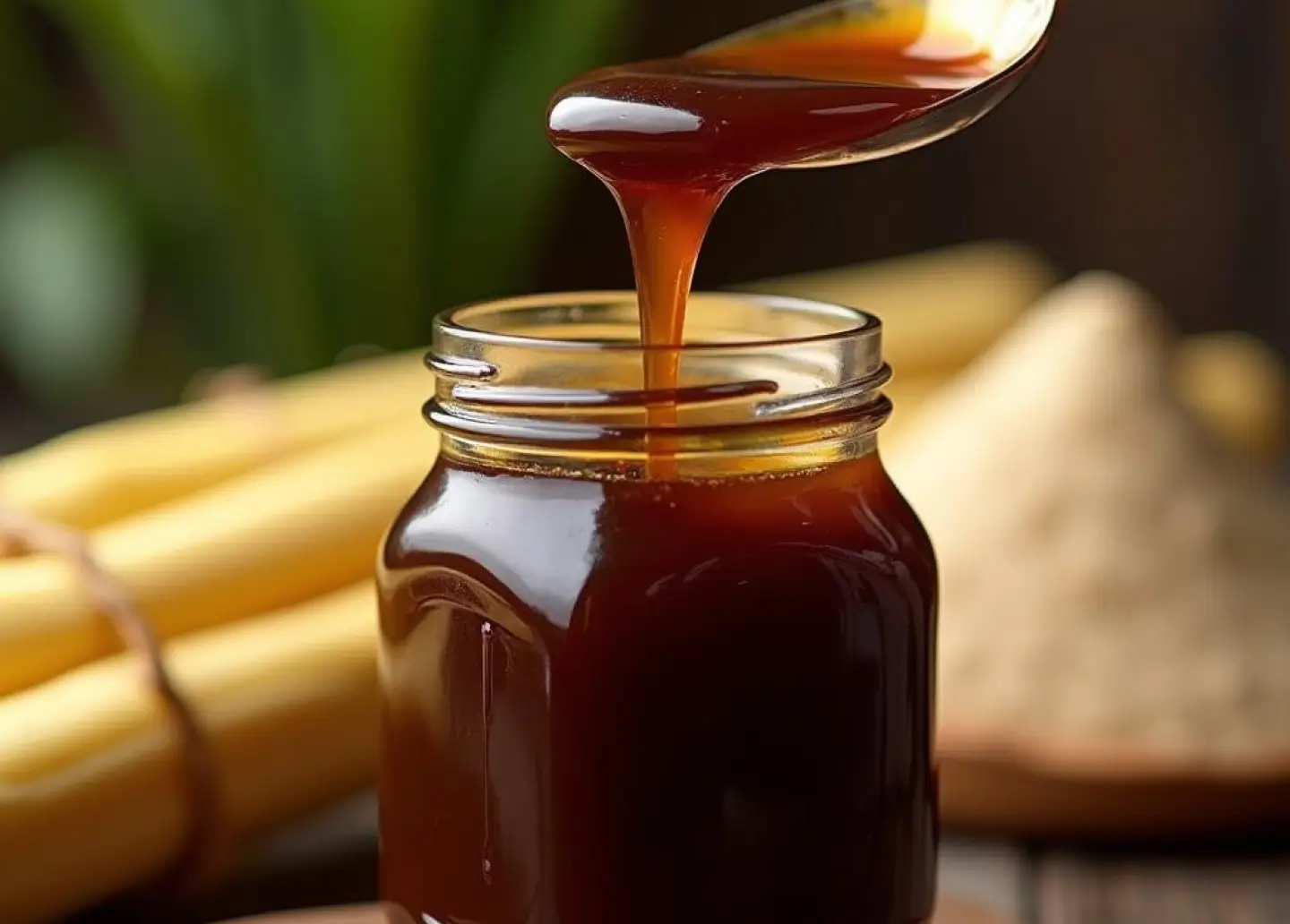
Fermentation Booster for Molasses and Cane Juice Distillery

Our customised enzymes-based formulation increases alcohol/ethanol production and improves the overall efficiency of the plant.

Conversion Of Non- Fermentable Sugars To Fermentable

Eliminates Bacterial Contamination

Lowers Residual Sugar

Fermentation Booster for Grain Distillery

Our customised enzymes-based formulation increases alcohol/ethanol production and improves the overall efficiency of the plant.

Conversion of Non- Fermentable Sugars To Fermentable

Eliminates Bacterial Contamination

Lowers Residual Sugar

image
image

Nutritive Formulation for Yeast

Our unique formulation uses the inimitable combination of enzymes and nutrients required by yeast for faster growth and higher yield.

Provide Vital Nutrients

Faster Yeast Growth

Low By-Product

Molasses Preservation

Our specialized enzymatic formulations preserve the valuable sugars in the molasses during storage.

Protects Total Reducing Sugars

Controls Bacterial Proliferation

Prevent Organic Acids Formation

image
image

Biocide for Recycled Process Streams

Our unique combination of enzymes replaces standard biocides without any adverse effects on the environment.

Controls Bacterial Proliferation

Controls Volatile Acidity

Helps Achieve ZLD By Recycling All Process Waste Streams

Urea Replacement Enzymes for Distillery

Our specially formulated blend of enzymes and micronutrients assists in replacing the use of urea in distilleries.

Replaces Urea Usage Completely

Potentially Can Replace Complete Nutrients In Fermentation

Better Yeast Growth And Fermentation

image
image

High Temperature Alpha Amylase

High temperature alpha amylase for converting starch into dextrins.

Efficient Starch Liquefaction

Enhances Ethanol Yield

Optimises Energy Usage

Glucoamylase

Glucoamylase enzyme for converting dextrin into glucose.

Efficient Starch Saccharification

Reduces Residual Sugar Content

Higher Ethanol Production

image

Related Blogs & Insights

Choosing the Best Enzymes for Craft Distilling Spirits

Choosing the Best Enzymes for Craft Distilling Spirits

Introduction to Enzymes in Craft Distilling What are Enzymes? Enzymes are biological catalysts that accelerate chemical reactions within living organisms. They’re crucial for various processes, including digestion and metabolism. In craft distilling, enzymes play a...

Sugarcane Molasses – Molasses Preservation with Enzymes

Sugarcane Molasses – Molasses Preservation with Enzymes

Molasses, also known as treacle syrup, is obtained by sugar crystallisation from sugarcane or sugar beet juice. The syrup is separated from sugar crystals by centrifuging. Separation from the sugar crystals frequently occurs during production, resulting in multiple...

Application Of Enzymes In Fermentation

Application Of Enzymes In Fermentation

Amylases are a class of enzymes that have a wide range of applications in the textile, brewing, food, pharmaceutical, and detergent industries. They are the enzymes that break down glycogen or starch. Amylases can be derived from different sources like microbes,...

NEED ANY HELP?

Frequently Asked Questions ,Distillery Enzymes

What enzymes are used in distillery and ethanol production?

Distillery enzymes include alpha-amylase (liquefies starch in mash), glucoamylase (saccharifies dextrins to fermentable glucose), proteases (releases free amino nitrogen for yeast nutrition), and beta-glucanase or xylanase (reduces mash viscosity in cereal-based feedstocks).

How does enzyme dosage affect ethanol yield?

Optimised enzyme dosage typically improves ethanol yield by 1–3% versus suboptimal dosing, while also reducing fermentation cycle time and improving consistency. Over-dosing increases cost without proportional yield gain; under-dosing limits glucose availability for yeast.

What is the difference between sugar-based and starch-based distillery enzymes?

Sugar-based distilleries (molasses, cane juice) primarily need invertase, low-dose protease, and yeast nutrient management. Starch-based distilleries (grain, cassava, broken rice) need a full enzyme stack: alpha-amylase, glucoamylase, protease, and viscosity-reducing enzymes.

Can enzymes work in continuous fermentation systems?

Yes — Infinita Biotech distillery enzymes are formulated for both batch and continuous fermentation. In continuous systems, enzyme activity profile and stability across the cascade are critical — application trials confirm dosage and addition points.

What is the typical pH and temperature range for distillery enzymes?

Liquefaction alpha-amylase operates at pH 5.5–6.5 and 85–105°C (high-temp formulations available). Saccharification glucoamylase operates at pH 4.0–4.5 and 60–65°C. Yeast-friendly proteases operate at pH 4.0–5.5 at 28–32°C during fermentation.

Are distillery enzymes compatible with all yeast strains?

Yes — enzyme action precedes and supports yeast fermentation rather than competing with it. The enzymes are inactive at fermentation conditions or denature with the boil-off, so they do not interfere with downstream distillation.

How can a distillery start using Infinita Biotech enzymes?

Reach the distillery enzymes team at sales@infinitabiotech.com with the feedstock type, daily mash volume, current yield, and any existing enzyme supplier benchmarks. Trial samples and on-site application support are available for pre-supply trials.

Driving Innovation
For A Greener Tomorrow

Committed to advancing eco-friendly biotechnology for a healthier planet.